
4 Digital Tools for Caregiving
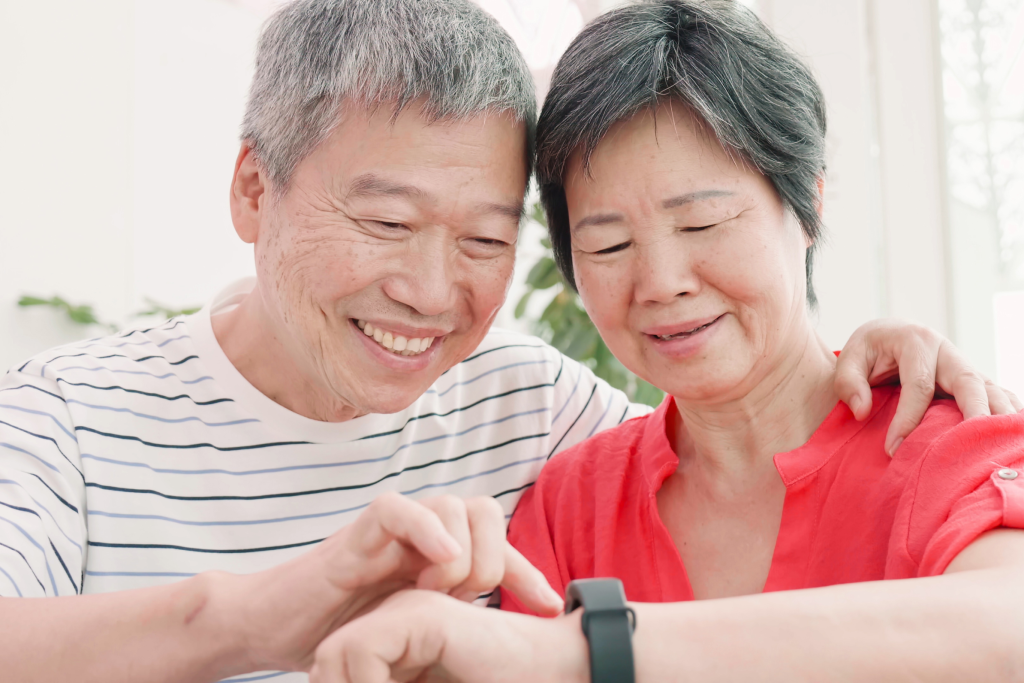
Caring for a loved one who is aging in place can be stressful. Whether you’re living with your loved one or caregiving from afar, monitoring devices, communication tools, and management systems are available to reduce your stress and manage everyday tasks. If you’re facing challenges while caregiving, here are 4 tools to consider.
1. Digital Home Assistants
As a caregiver, you’ve got your hands full balancing your loved one’s needs on top of your own. Imagine an assistant at home to take notes, answer questions, remind you of important tasks, set alarms, and make calls hands-free—that’s what Amazon Echo, Google Home, and other digital home assistants can do for you.
Plus, a voice-activated home assistant device can also be a resource for your loved one. It can answer questions immediately, set medication reminders, and make telehealth calls, empowering them to stay on top of their own needs.
2. Video Doorbells
For working caregivers or those caring from afar, you may be worried about who’s coming to visit your loved one while you’re away. A doorbell camera like Arlo, Ring, Google Nest, or Blink notifies you when there’s someone at the door and lets you see and speak to the visitor in real time, all from the convenience of your phone. As a bonus, seeing a video doorbell or smart camera can deter porch pirates or other unwanted guests.
3. Health Monitoring Devices
If tracking vitals like heart rate, temperature, respiratory rate, blood oxygen, sleep, and activity levels are an important part of your caregiving routine, a wearable health monitor for your loved one takes the burden off you and provides accurate, round-the-clock readings.
Rather than having multiple tools or devices for each vital measurement, a health monitoring device like an Apple Watch, Samsung Galaxy Watch, or Fitbit collects all this information at once and connects by phone app to present easy-to-understand trends. Consult with your loved one’s medical team to learn what health metrics would be best to track and your options.
4. Fall Alert Systems
Falls are a major risk for older adults and a serious concern for caregivers. Thankfully, medical alert systems like Lifeline can provide 24/7 emergency connection to a care specialist with the push of a button, who will dispatch help and immediately contact you if your loved one falls.
A standard alert system comes with a wearable pendant or wristband, which your loved one pushes to call for help if they fall. More advanced systems can include motion sensors for high-risk areas in the home, bed exit alarms, and seizure alerts.
Falling isn’t an inevitable part of aging. Check out our other article on how you and your loved ones can Take Steps to Prevent Falls.
Digital caregiving tools can make a world of difference for caregivers, but they can be confusing or expensive. The Caregiver Solutions team is here to help. Contact your caregiver advisor, or click to submit a referral online and explore options with a specialist.