
Falls Don’t Have to Happen
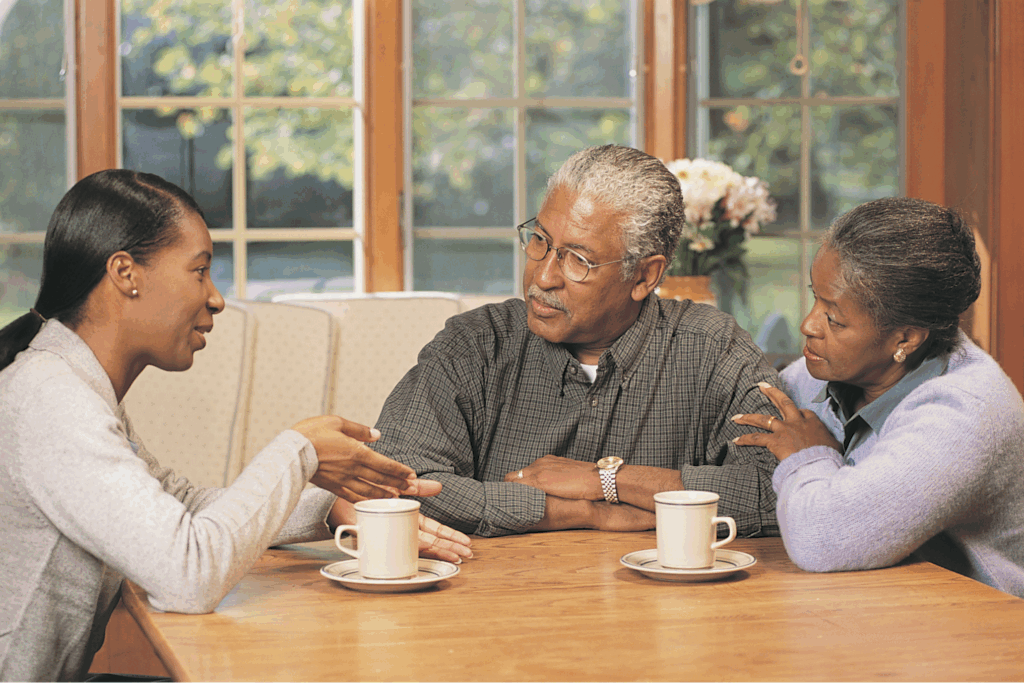
A fall can change a lot for an older adult — sometimes in an instant. But falls are not an inevitable part of getting older. In fact, many can be prevented by recognizing risks early and taking action.
Here in Massachusetts, falls are the leading cause of injury-related emergency department visits, hospitalizations, and deaths among adults 65 and older. That makes preventing falls an important part of helping older adults stay healthy and independent.
Know What to Look For
Falls are often caused by a combination of factors rather than one single thing. Knowing what to watch for is a good place to start.
- Medications: Some prescription and over-the-counter medications, or combinations of medications, can cause dizziness, drowsiness, or other side effects that increase the risk of falling. Ask a doctor or pharmacist to review all medications regularly.
- Vision and hearing: Changes in vision or hearing can affect balance and awareness of your surroundings. Regular vision and hearing checks can help identify changes that may increase fall risk.
- Strength and balance: Staying active helps maintain the strength and balance needed to move safely. Activities such as Tai Chi and other programs that focus on strength and balance can help reduce fall risk.
- Feet and footwear: Foot pain, certain foot conditions, and poorly fitting or slippery shoes can all contribute to falls. Pay attention to changes in walking, foot pain, and worn footwear.
Don’t Wait for a Fall
You don’t have to wait until someone falls to talk about fall prevention.
If you or someone you care for feels unsteady, worries about falling, or has fallen in the past year, talk with a health care provider. Ask about a fall risk assessment and whether a medication review, physical therapy, balance program, or other intervention could help.
And if a fall does happen, tell the person’s health care provider — even if there doesn’t appear to be a serious injury. A previous fall can increase the risk of another one.
Free Help and Resources in Massachusetts
Massachusetts offers free information and resources to help older adults and caregivers understand fall risks and take steps to prevent them.
The Massachusetts Department of Public Health provides falls-prevention guides and information for older adults and caregivers, including tips on staying active, reviewing medications, and recognizing personal risk factors.
Massachusetts Falls Prevention Helpline: 800-227-7233
Learn more: mass.gov/older-adult-falls-prevention
The Executive Office of Aging & Independence (AGE) can also help connect older adults and caregivers with services and programs available in their communities. Through MassOptions, you can find your local Aging Services Access Point (ASAP), Council on Aging, senior center, and other resources that support healthy aging and independence.
MassOptions: 800-243-4636
Learn more: mass.gov/aging
How Boston Senior Home Care Can Help
Boston Senior Home Care can help older adults and caregivers connect with services and supports that promote safety, health, and independence at home. We can also help identify local programs and resources based on an individual’s needs.
If you’ve noticed changes in balance or mobility, are concerned about a recent fall, or simply want to learn more about reducing fall risk, reach out before a fall becomes a crisis.
Contact Boston Senior Home Care at [email protected] to learn more.