
Why Is It Important to Have an Emergency Plan?
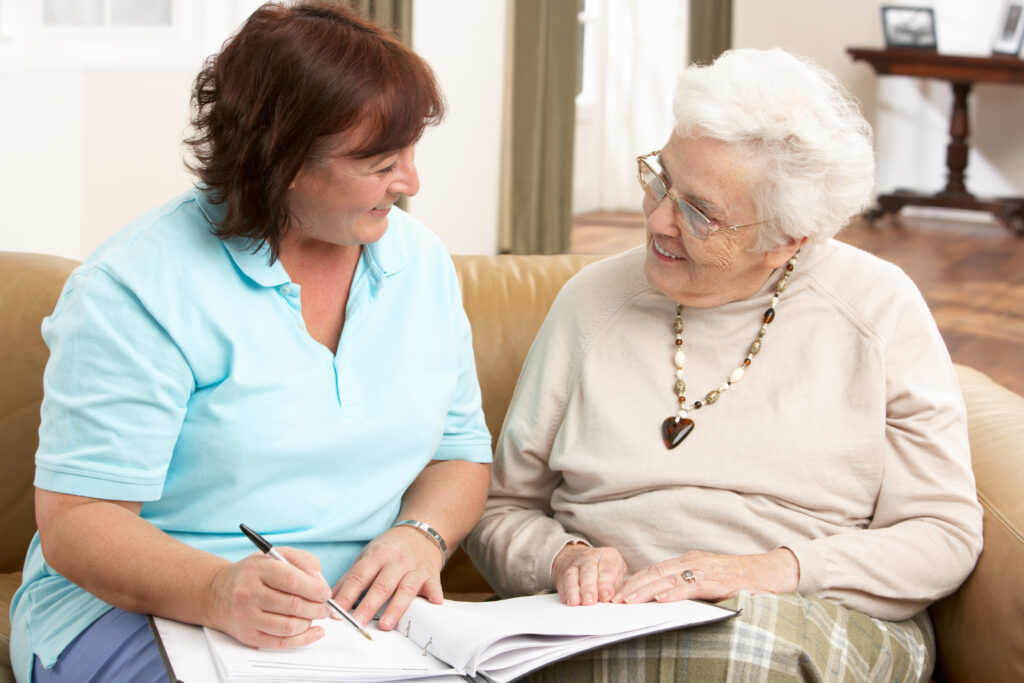
When caring for a loved one, it’s essential to have a plan in place for personal or medical emergencies that may arise. Having a well-thought-out plan can help ensure the safety and well-being of both yourself and your loved one. Here are some key reasons why having an emergency plan is crucial:
1. Preparedness
Emergencies can happen unexpectedly, and it’s important to be prepared. Having a plan means you’ll know exactly what steps to take in the event of an emergency, reducing stress and confusion. It will also help you respond promptly, potentially minimizing the impact of the emergency.
2. Safety
The safety of yourself and your loved one should be a top priority. An emergency plan outlines safety protocols and procedures to follow during various situations. This can include evacuation procedures, emergency contacts, and important medical information. Having these details readily available lets you quickly access the necessary resources and support.
3. Clear Communication
An emergency plan promotes clear communication. Share the plan with other family members, friends, or neighbors who may be involved in your loved one’s care. This ensures that everyone is on the same page and knows their role in the event of an emergency. Regularly review and update the plan as needed to reflect any changes in contact information or medical needs.
4. Timely Medical Intervention
Depending on the nature of the emergency, immediate medical intervention may be required. With a well-prepared emergency plan, you can quickly provide vital information to emergency responders or healthcare professionals, such as your loved one’s medical history, medications, and allergies. This ensures appropriate and timely care during these critical moments.
5. Continuity of Care
During an emergency, it’s important to maintain continuity of care for your loved one. An emergency plan can outline alternative caregivers or support services that can be utilized if you are unable to provide care temporarily. This helps ensure your loved one’s needs are met even in challenging circumstances.
An emergency plan is not a one-time task. Review and update the plan regularly, ensuring it reflects any changes in your loved one’s needs or circumstances. Involve relevant individuals in the discussion and ensure they are aware of their roles and responsibilities. By being prepared, you can navigate emergencies with confidence and ensure the best possible outcome for your loved one.
If you need guidance on creating a plan for a personal or medical emergency, Boston Senior Home Care’s Caregiver Solutions team is available to help you. Ready to learn more? Click the button below.