
Affordable and Healthy Food Resources
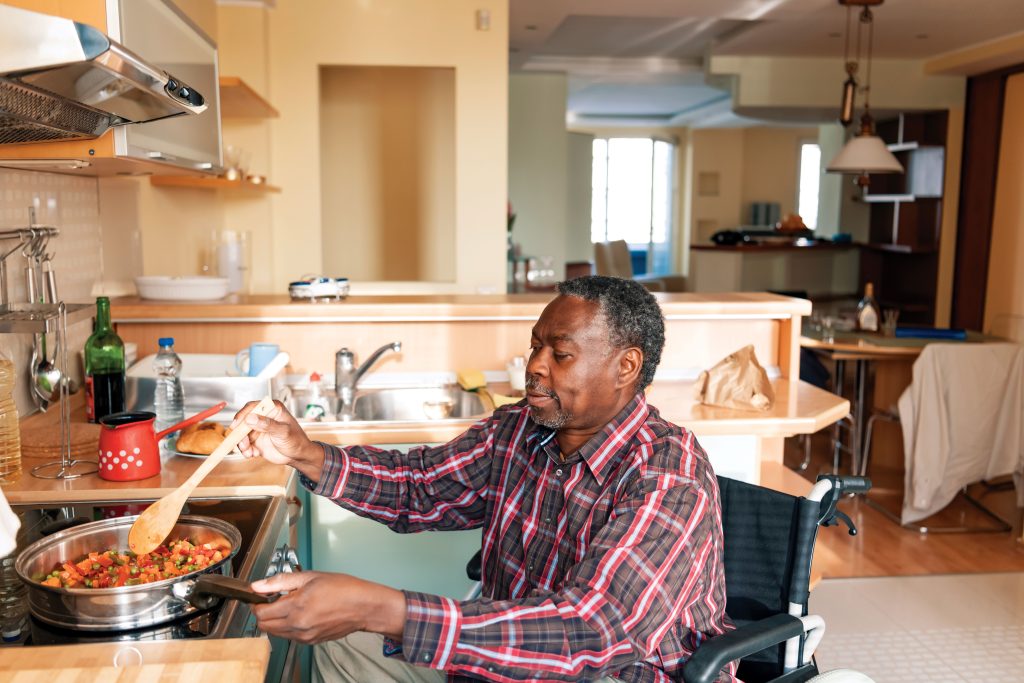
Eating well is a major health factor. Not eating well or not eating regularly can make a person cranky, tired, and low on energy—especially for older adults and children. If you’re looking for affordable ways to put healthy food on the table, here are 6 resources for you.
1. Meals on Wheels
For caregivers and older adults who may struggle to shop for and prepare healthy meals, the Meals on Wheels program is there to deliver hot, delicious food straight to the doorstep.
Meals are delivered daily, and participants can choose from several menus to suit their dietary restrictions or cultural taste. Based on their needs, participants can also receive frozen meals for the weekend, cold meals, and other nutritional supplements.
Not only do participants get hot, nutritious food, but they also gain friendship and connection from volunteers’ daily visits.
To learn more and apply, contact Boston ElderINFO by emailing [email protected], calling 617-292-6211, or by filling out a referral online.
2. Project Bread FoodSource Hotline
Available to all Massachusetts residents, the Project Bread FoodSource Hotline is a phone line that will help with food assistance questions big or small. They can help callers:
- Discover grocery discount programs
- Find local food programs and pantries
- Screen eligibility for SNAP and apply
- Learn about benefit-eligible stores
- Find free meals for children
The goal of Project Bread is to ensure that everyone in Massachusetts can access and afford food with dignity. Services are free and confidential, with interpretation assistance provided in over 180 languages.
To get in touch, call or text Project Bread at 1-800-645-8333. The hotline is open Monday – Friday from 8 am – 7 pm, and Saturdays from 10 am – 2 pm.
3. Farmers Market Nutrition Program
The fresh and organic fruits and vegetables at the farmers markets might look tempting, but they can be a little pricey. To help more families get access to nutritious produce, the Commonwealth runs the Farmers Market Nutrition Program, providing vouchers that can be used at participating farmstands and farmers markets.
As an added bonus, participants on SNAP can get a $1 to $1 match on their EBT card when they buy fruits and vegetables from participating farms. In other words, spending money on food can help you get more money for food!
The program is currently available to older adults and people with disabilities living in community housing under a certain income. Families with children under the age of 5 can also apply as part of the Women, Infant, and Children (WIC) nutrition program.
To learn more, check eligibility requirements, and apply, visit the Commonwealth’s page for the Farmers Market Nutrition Program.
4. Two-Dollar-A-Bag Program
The Two-Dollar-A-Bag program is exactly what it sounds like: for a suggested $2, participants can receive a bag of over 12 pounds of mixed fresh produce at over 20 sites throughout Boston. The best part is that there’s no application, eligibility requirements, or ID checks—all are welcome to fresh food.
Currently, Fair Foods is hosting its Two-Dollar-A-Bag program in:
- Dorchester
- Roslindale
- Quincy
- Stoughton
Locations and times change seasonally, and not every site is open every day. To see a full list of current participating locations and their opening times, visit Fair Foods’ website.
5. The Welcoming Table by the Family Dinner Project
Caring for child with unique mealtime needs? Family members on the autism spectrum, or who have ARFID (Avoidant/Restrictive Food Intake Disorder), a feeding disorder, or a sensory processing issue may struggle with mealtimes. It’s the goal of the Welcoming Table by the Family Dinner Project to make family dinners safe and welcoming spaces.
Though they may not be able to provide direct financial support to help families get healthy meals, The Welcoming Table has a wealth of resources to help families plan and prepare fun and healthy meals for children with special needs. Visit their website to view recommended recipes, budget-friendly meal plans, and resources to navigate mealtime needs.
6. Supplemental Nutrition Assistance Program (SNAP)
The Supplemental Nutrition Assistance Program (SNAP) helps families increase their food budget and find new resources for wellness, education, and employment. Administered by the Department of Transitional Assistance (DTA), SNAP provides participants with a reusable EBT card that can be used at participating stores to buy food.
SNAP cards are reloaded monthly, which can provide much-needed access to fresh produce on a regular basis.
Additionally, SNAP participants can make use of the DTA’s free education resources, training opportunities, nutrition classes, utility discount opportunities, and other help networks.
SNAP eligibility is determined by age, income, and household size. Additional accommodations and help are available for applicants with disabilities. Click here to view the Commonwealth’s 10-second SNAP screener, or apply for SNAP through the Massachusetts DTA website.