
How to Talk About Falls Prevention
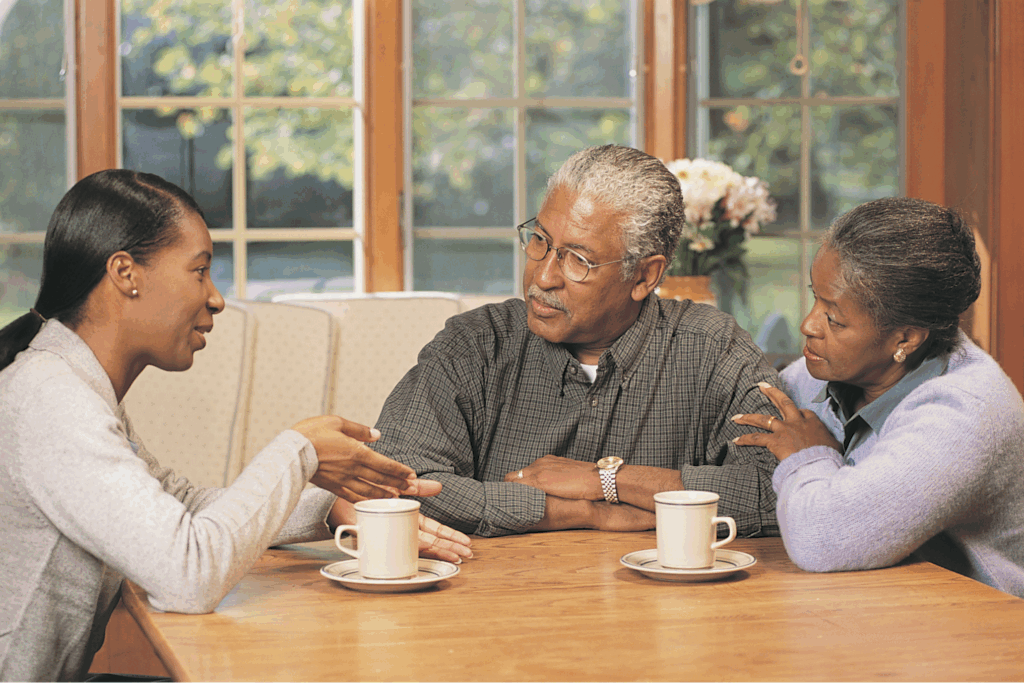
Talking about falling can be scary. Thankfully, there are some tried-and-true ways for caregivers and family members to gently approach the topic with a loved one. These five tips will help you start a conversation about preventing falls and develop an action plan to age safely in place.
1. Review Falls Risk
Not sure if your loved one is at risk for falling? The CDC has developed a quick falls self-assessment tool to help. Print out the assessment here, and take it together:
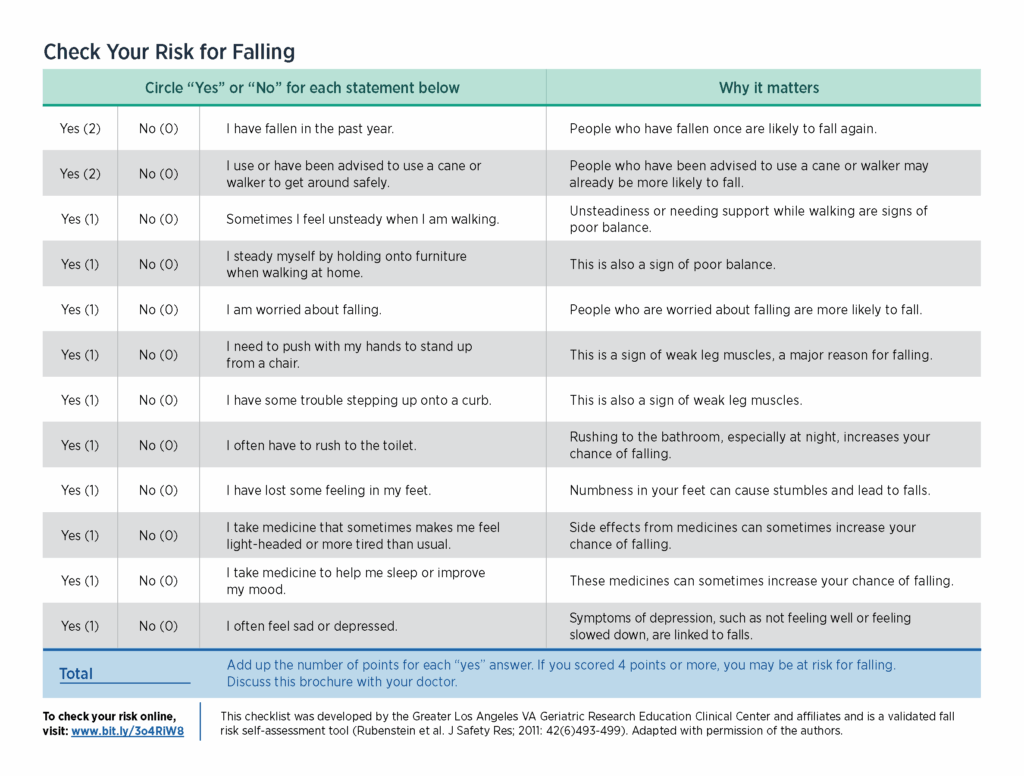
If your loved one answered 4 or more questions with “yes,” it might be time to talk about falls prevention with your doctor.
2. Use Practical, Positive Messaging
Rather than talking about the downsides of falling, framing the conversation around the happy things a falls-free person can do helps families stay motivated and optimistic about preventing falls.
Here are some examples of positive messaging you could use:
- “Decluttering the house prevents falls and leaves the house nice and clean.”
- “Improving your balance helps prevent falls and makes you a better dancer at parties.”
- “Being careful means we’ll be fit and healthy to attend your grandchild’s birthday party next week.”
- “Installing grab bars in the bathroom prevents both family and friends from slipping.”
In these examples, we also see that goal-based positive messaging naturally opens the discussion to practical ways to prevent falls, such as removing clutter, improving balance, and adapting the home.
3. Focus on Maintaining Independence
Some older adults or people with disabilities may hesitate to use canes, walkers, or wheelchairs out of fear of appearing frail or inconveniencing others.
On the contrary, walking aids help a person stay independent by letting them stand, sit, and walk by themselves. Many older adults who switch to using walking aids often find that they move faster and more confidently than before!
4. Avoid Blame
Though emotions may run high when discussing falls, it’s important to remember that no one means to fall. Rather than “you” statements that could seem like an accusation, it can be more effective to take a step back, and reframe falling as a larger issue that a family can solve together.
Here are some examples of falls prevention messaging, and ways to rephrase them:
- “You should be more careful.” → “Let’s try to keep the walkways clear.”
- “Don’t go outside by yourself.” → “We’re here to walk with you.”
- “You should hold the railing when you walk up the stairs.” → “The railing is here to keep everyone safe.”
5. Talk to Your Medical Team
Medications and prescriptions can have side effects that affect a person’s balance, awareness, or vision, leading to falls. Keep a list of your loved one’s medications on hand for their next checkup, and ask your doctor to review them with falls prevention in mind.
It takes a family and a community to prevent falls. If you and your loved ones are ready to explore ways to stay independent and falls-free at home, reach out to our Caregiver Solutions advisors by clicking the button below.